Hiring a Slovenian subcontractor in Germany: the documents you should have
A1 certificate, customs notification, SOKA-BAU, exemption certificate and reverse charge – what general contractors check before an EU subcontractor's first day on site.
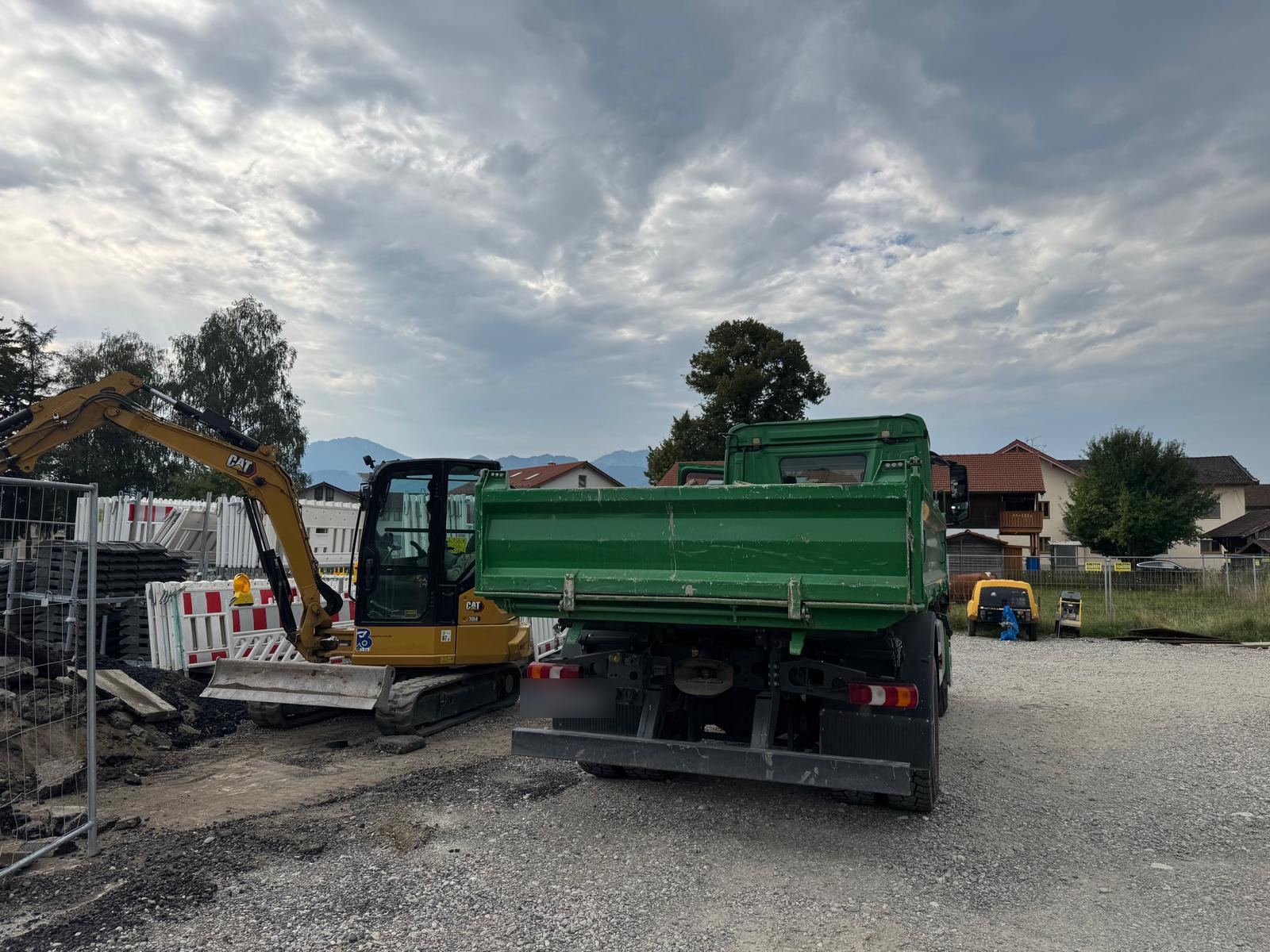
Companies from the EU may provide their services in Germany, including in construction. For a job to be fully compliant, a few documents should be in place before the first working day. This is the checklist we also go through with our clients.
1. An A1 certificate for every worker
The A1 certificate shows that a posted worker remains insured in the social security system of their home country. In Slovenia it is issued by the health insurance institute (ZZZS). It is personal and covers the posting period.
2. Customs notification before work starts
Posted workers must be registered with German customs through the Meldeportal-Mindestlohn before work begins, including the commitment to meet the minimum conditions that apply in Germany.
3. SOKA-BAU in main construction trades
In the main construction trades – civil works included – foreign employers take part in the SOKA-BAU holiday fund scheme for their posted workers.
4. Exemption certificate (§ 48b EStG)
Without an exemption certificate, the client must withhold 15 % of the invoice amount as construction withholding tax and pay it to the tax office. With a valid certificate, no deduction is made.
5. Reverse-charge invoicing
When a company based abroad provides construction services to a German business, the client owes the VAT (§ 13b UStG). The invoice therefore shows no German VAT, only both parties' VAT IDs.
How we work
Before the job starts, we agree with you which documents your project requires and provide them. On site, a German-speaking foreman is your permanent point of contact.
This article is a general overview and does not replace legal or tax advice.